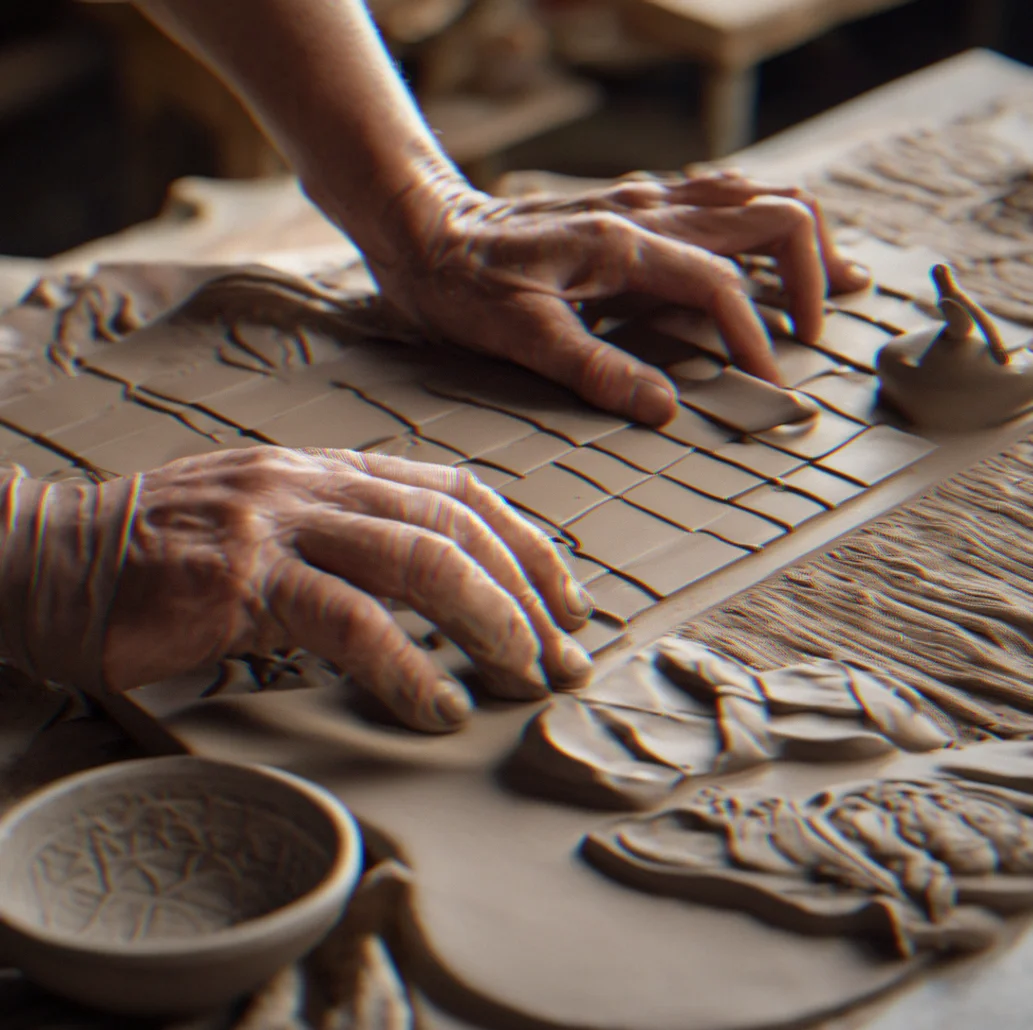
You buy from the maker. No middleman.
Direct contact with whoever made it. You can message them about their process, clay choices, ink sourcing. Most respond within a day.
Made by hand, not by machine
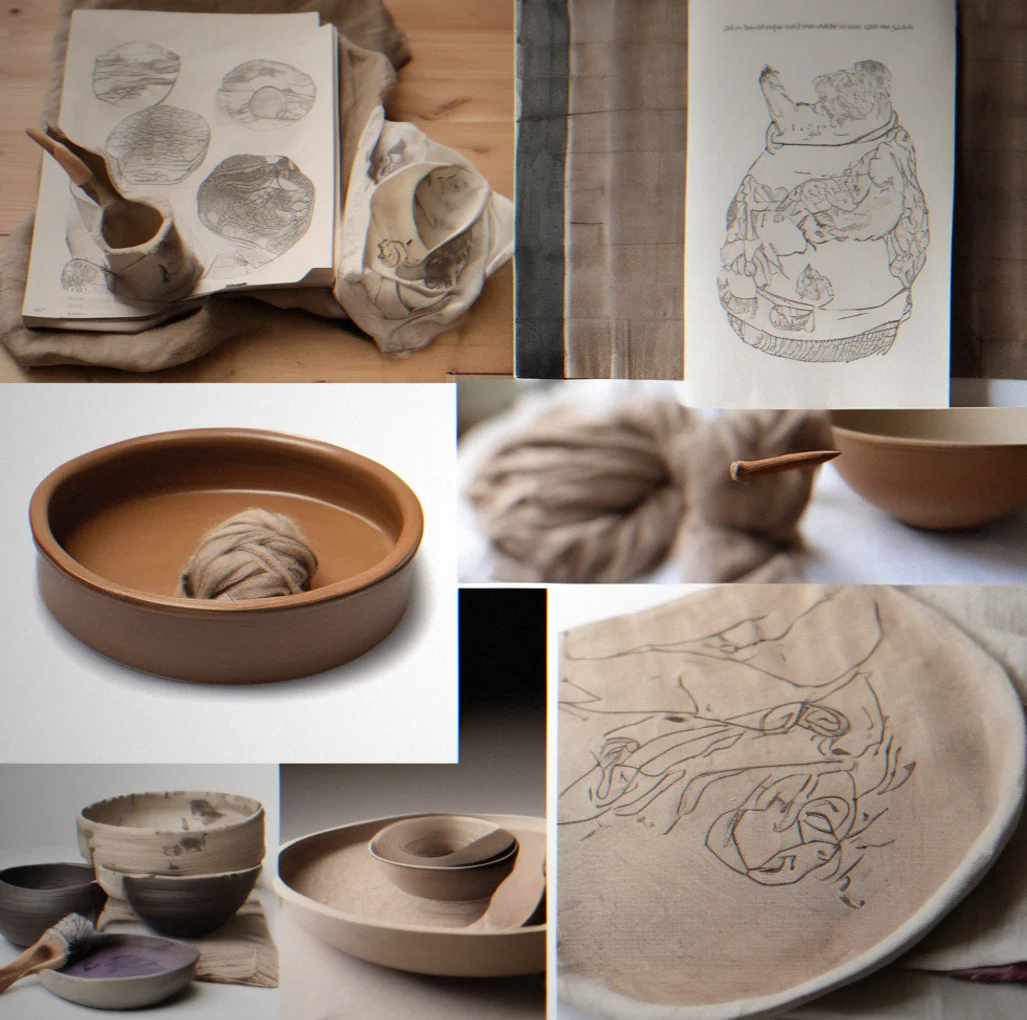
A place where independent makers sell directly. Small runs. Real techniques. No shortcuts.
You know the difference between a hand-thrown mug and one that came off a line. Each one weighs different. Natural indigo gets richer as it ages, and you've probably noticed how letterpress actually sits raised on the paper—and honestly, that's the point. CraftVista puts you in touch with the people making things. Potters, weavers, printers, binders. They work in batches of 8 to 40, not thousands.
Slow production happens here. So does real material and actual stories about why someone picked stoneware over porcelain, or vegetable-tanned leather instead of synthetic. Visit a studio. Take a class. See a hand-pulled screen in action. The work on this platform isn't made for mass appeal, and that's exactly what makes it worth looking at.
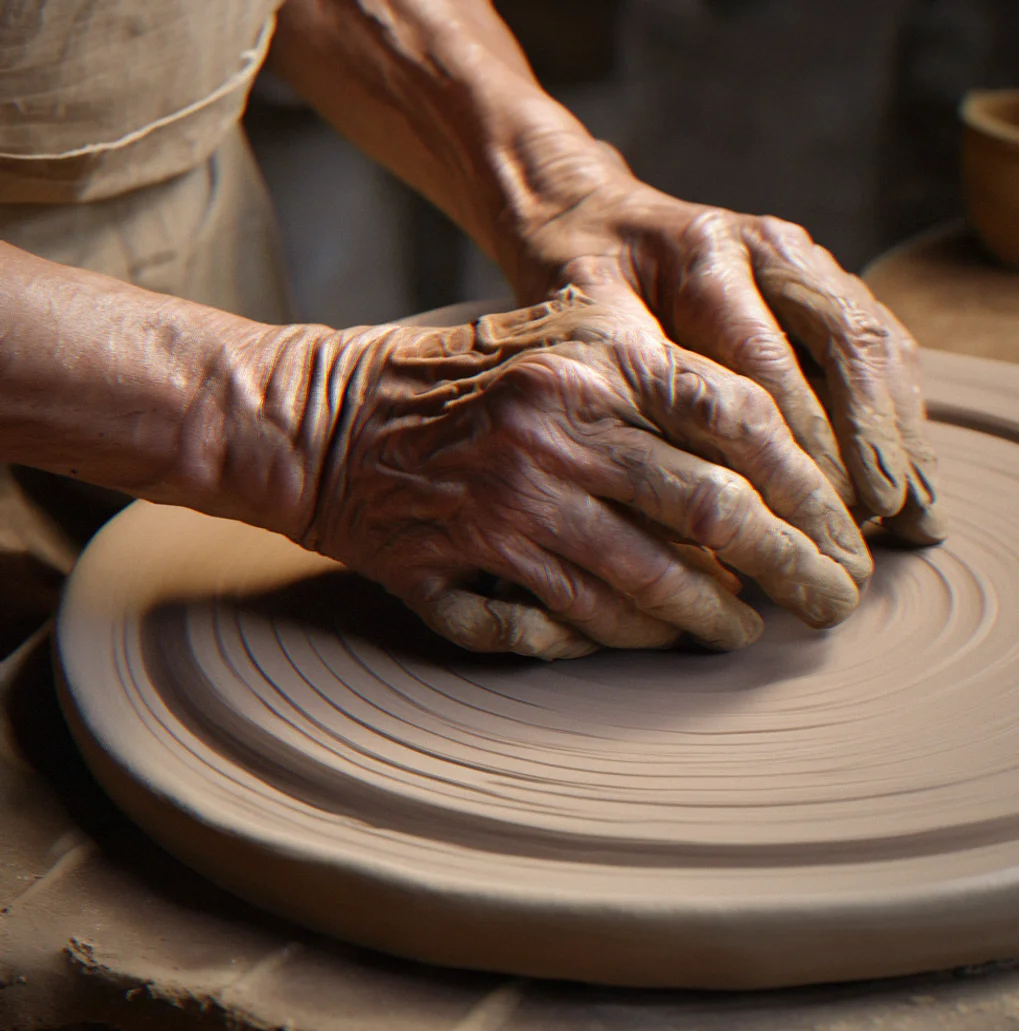
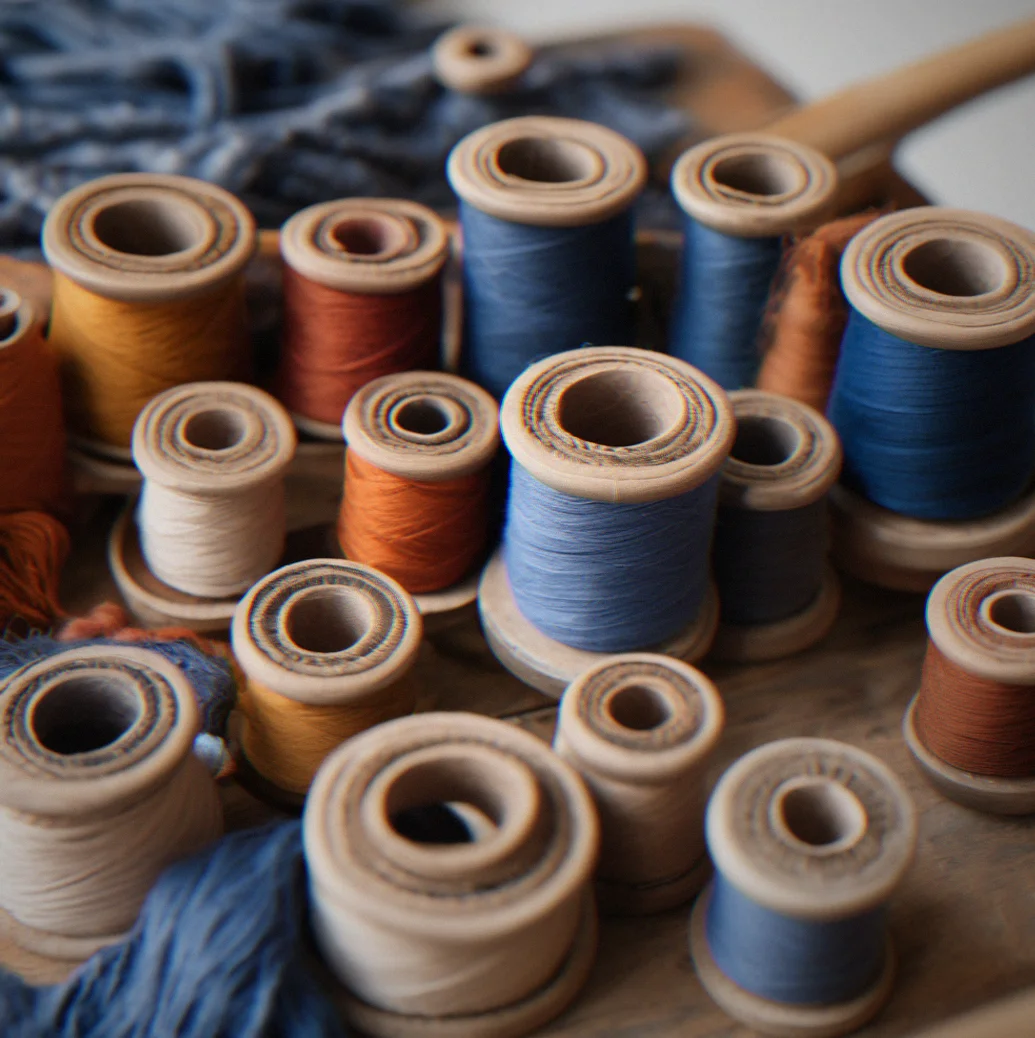
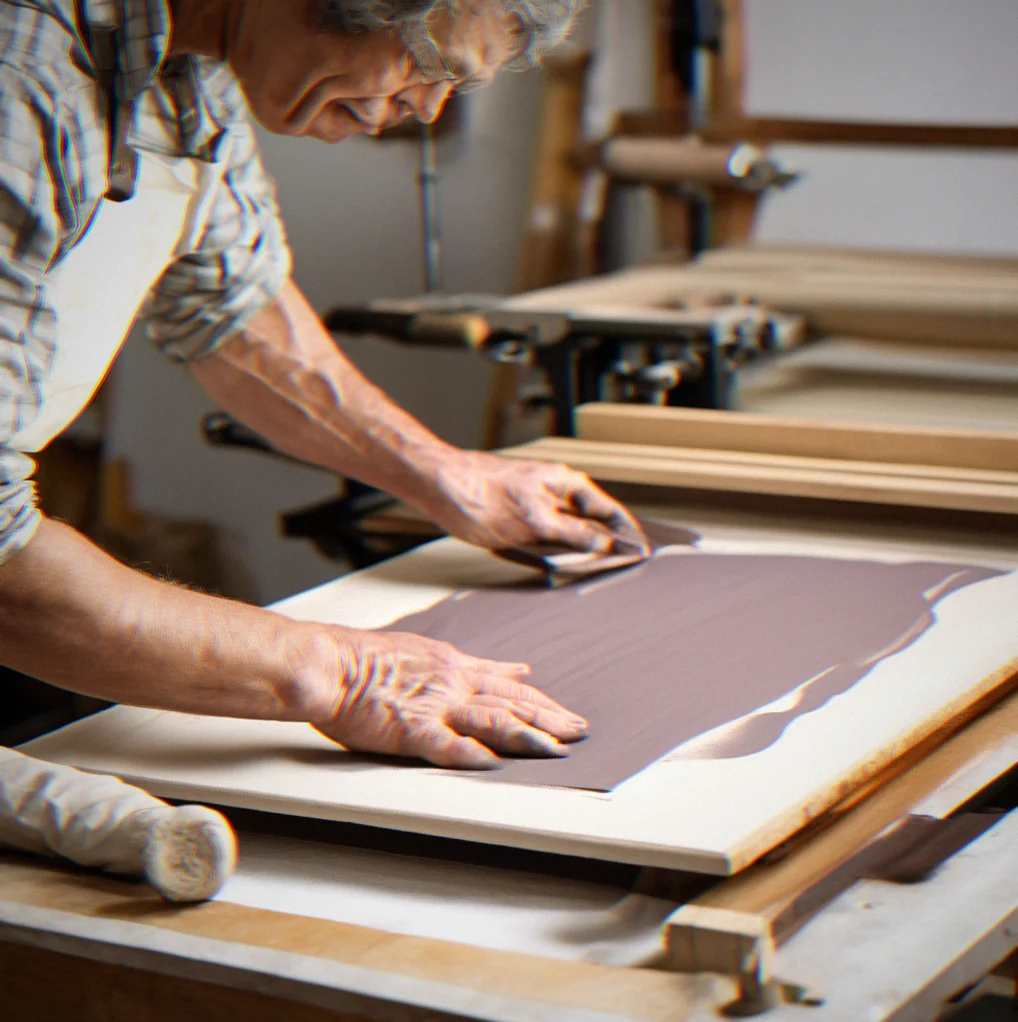
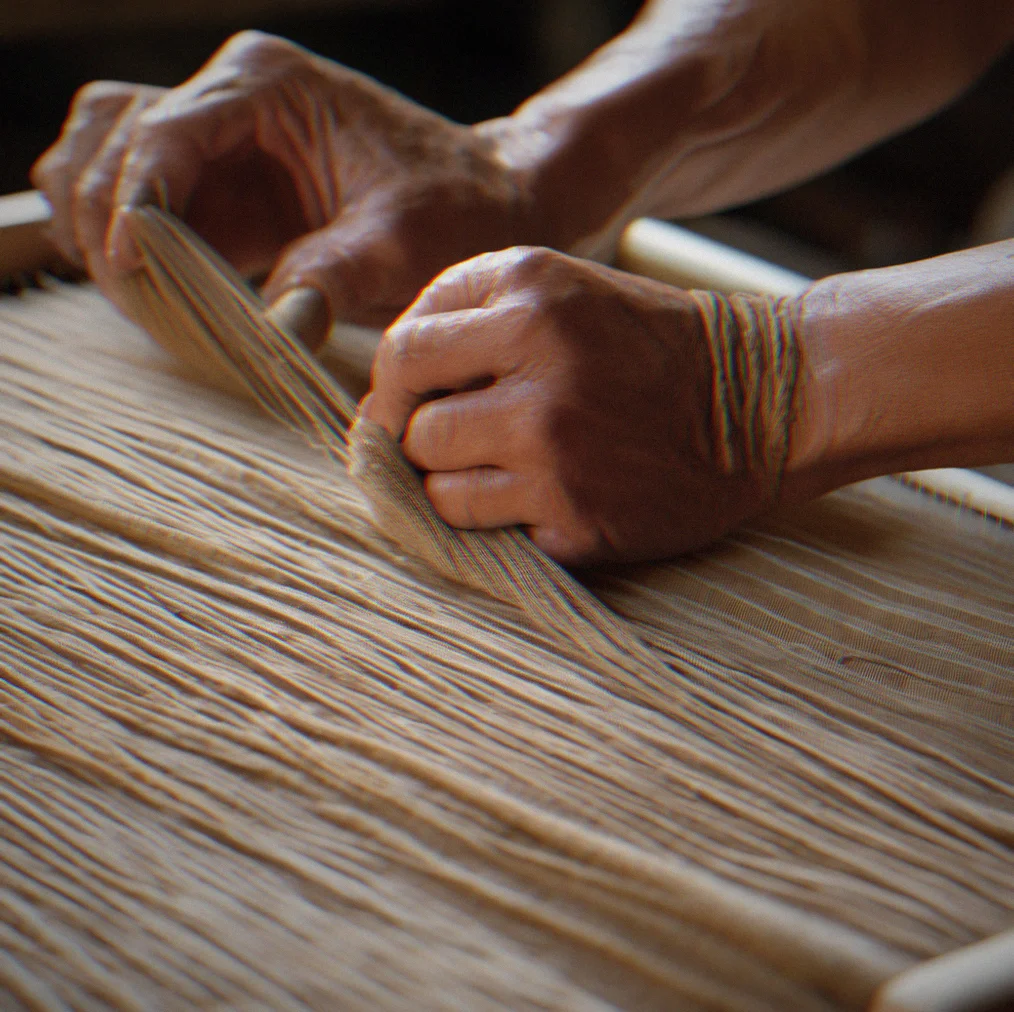
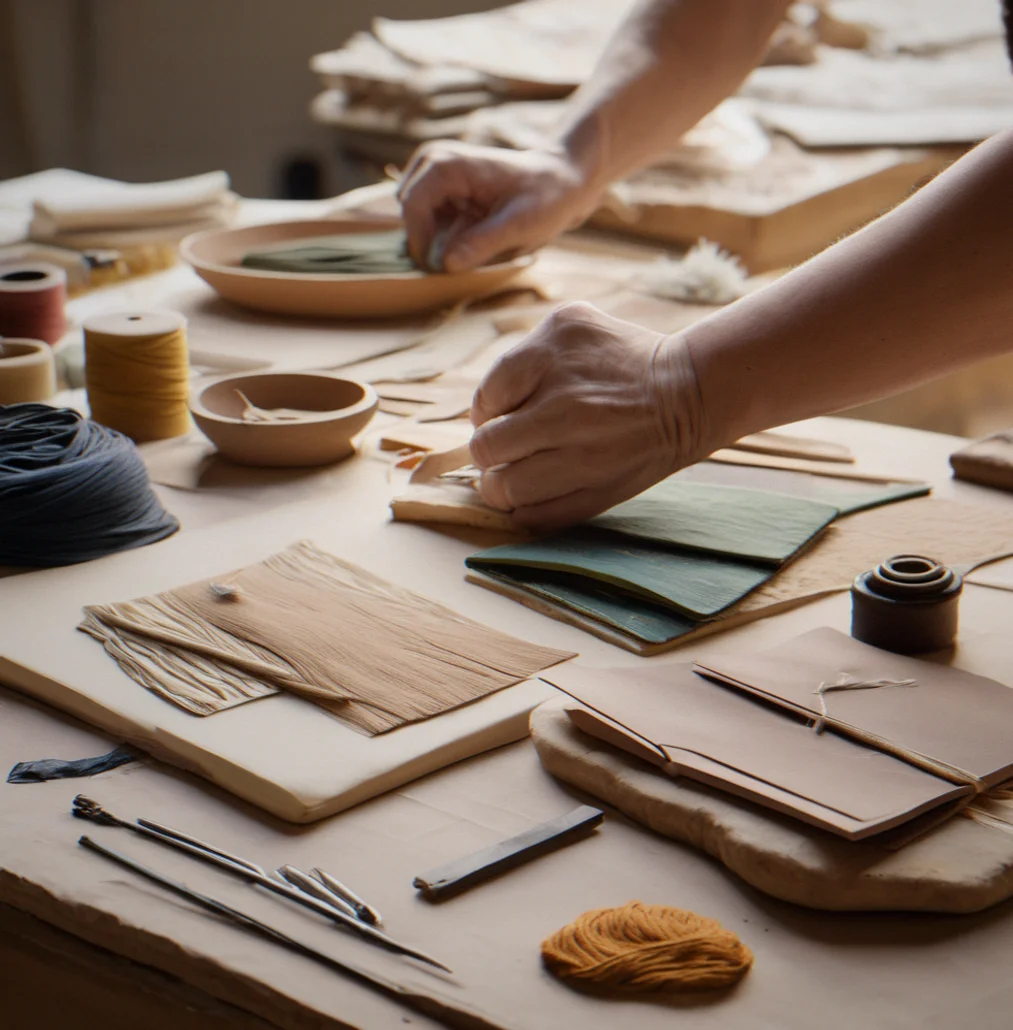
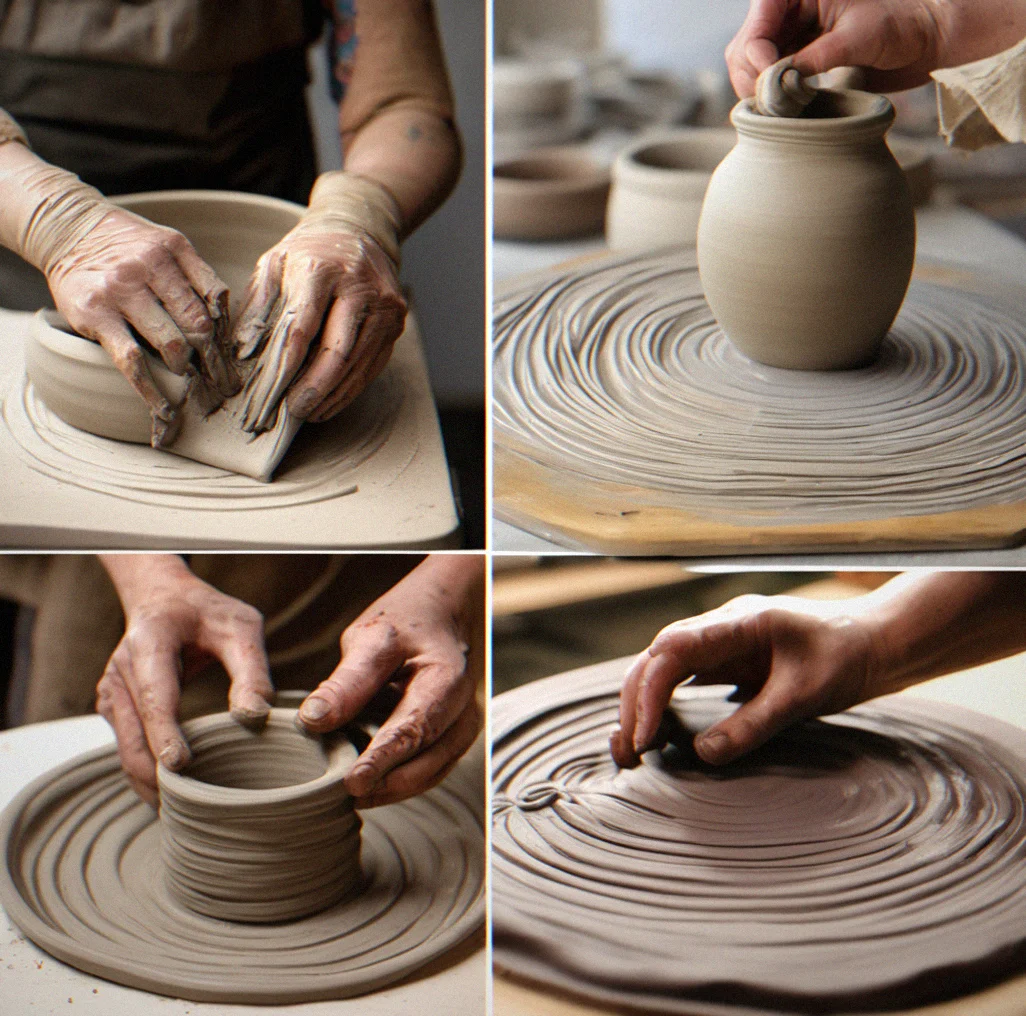
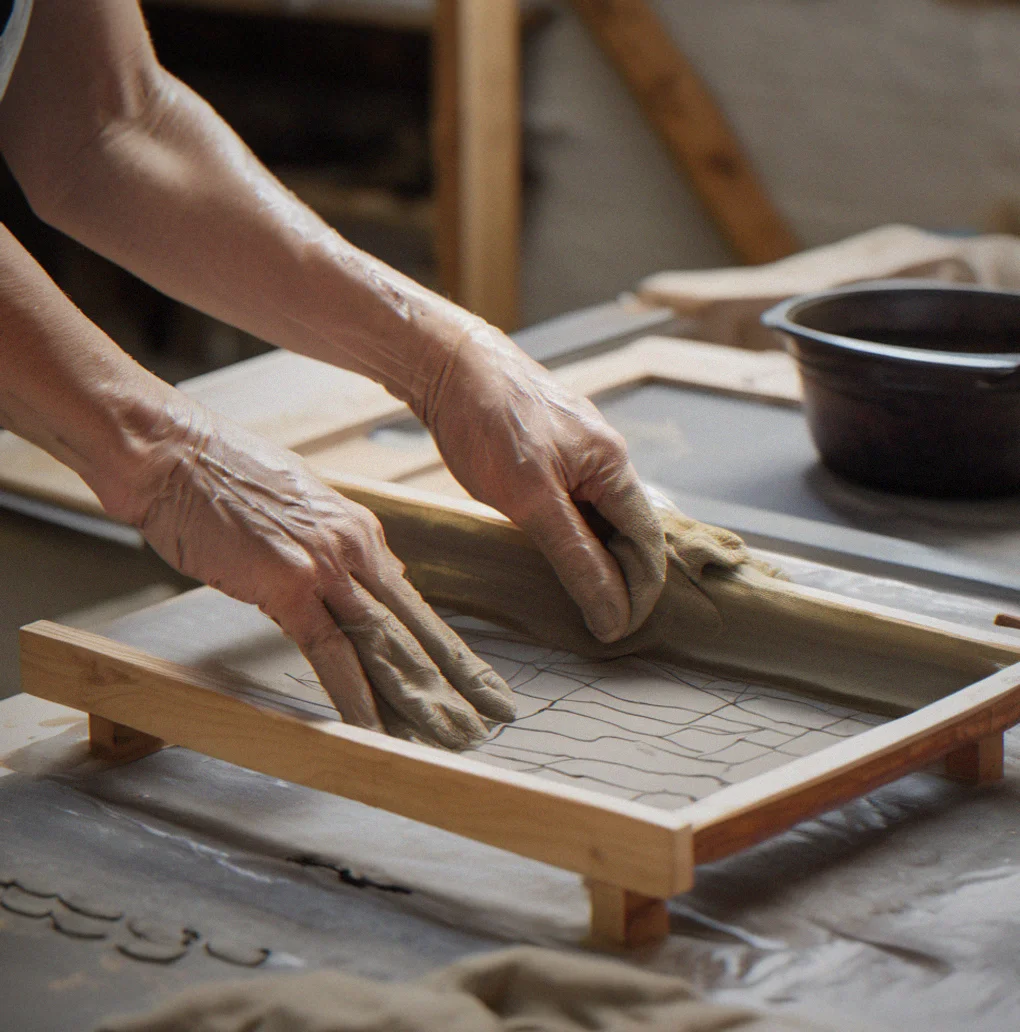
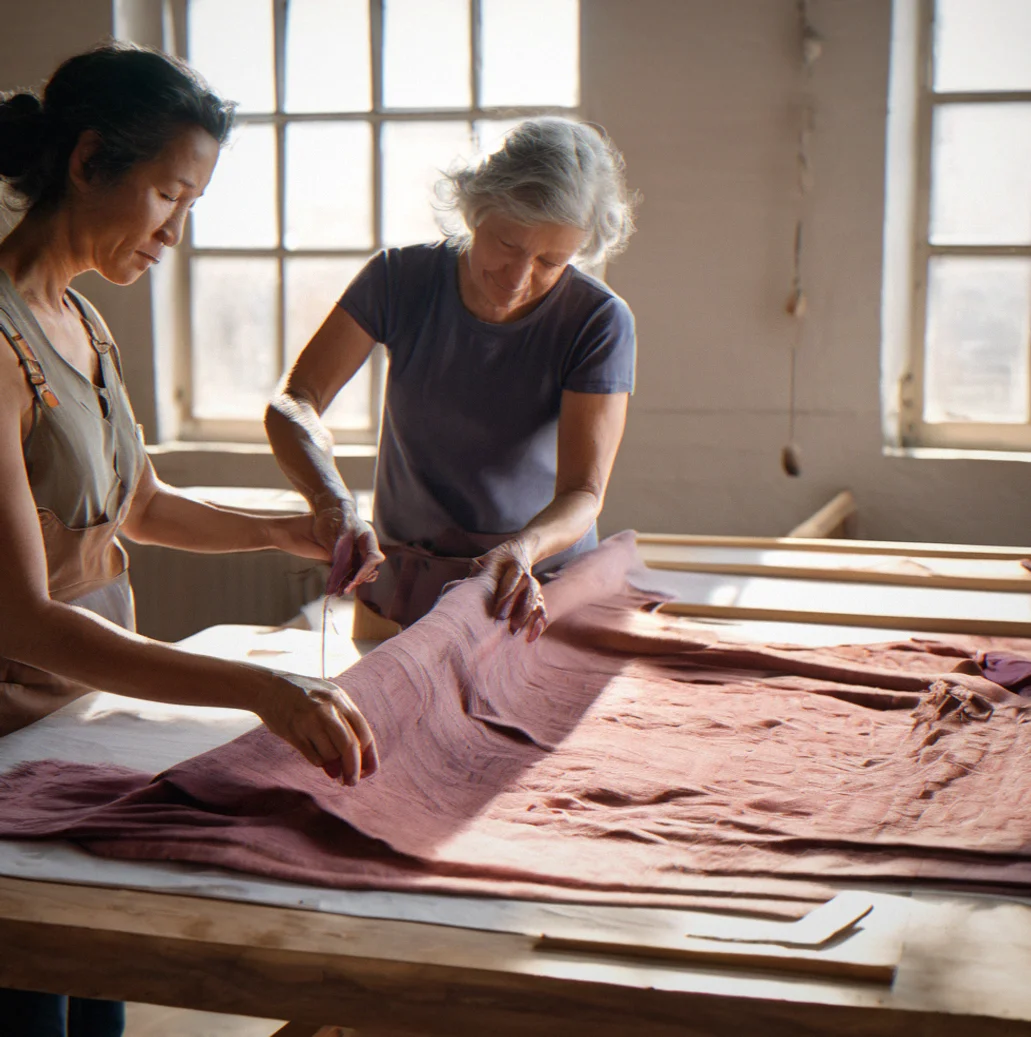
How it actually works
A potter fires 12 mugs at a time. A screen printer does 20 prints per color before switching. Binders stitch about 15 journals a week—all slightly different because hands aren't machines, clay moves, ink sits differently on fabric. Work in batches of 5 to 50 and every piece means something. You're buying what someone just made, not pulling from a warehouse.
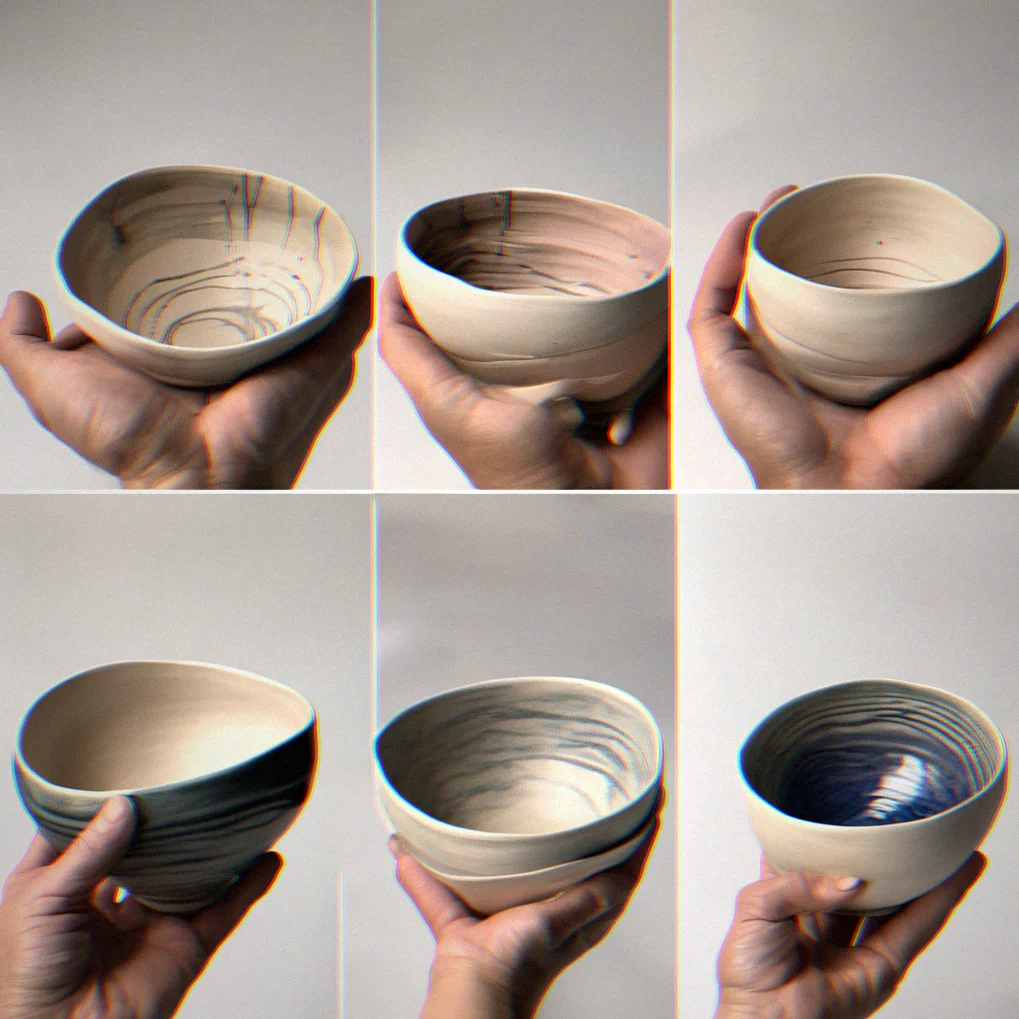
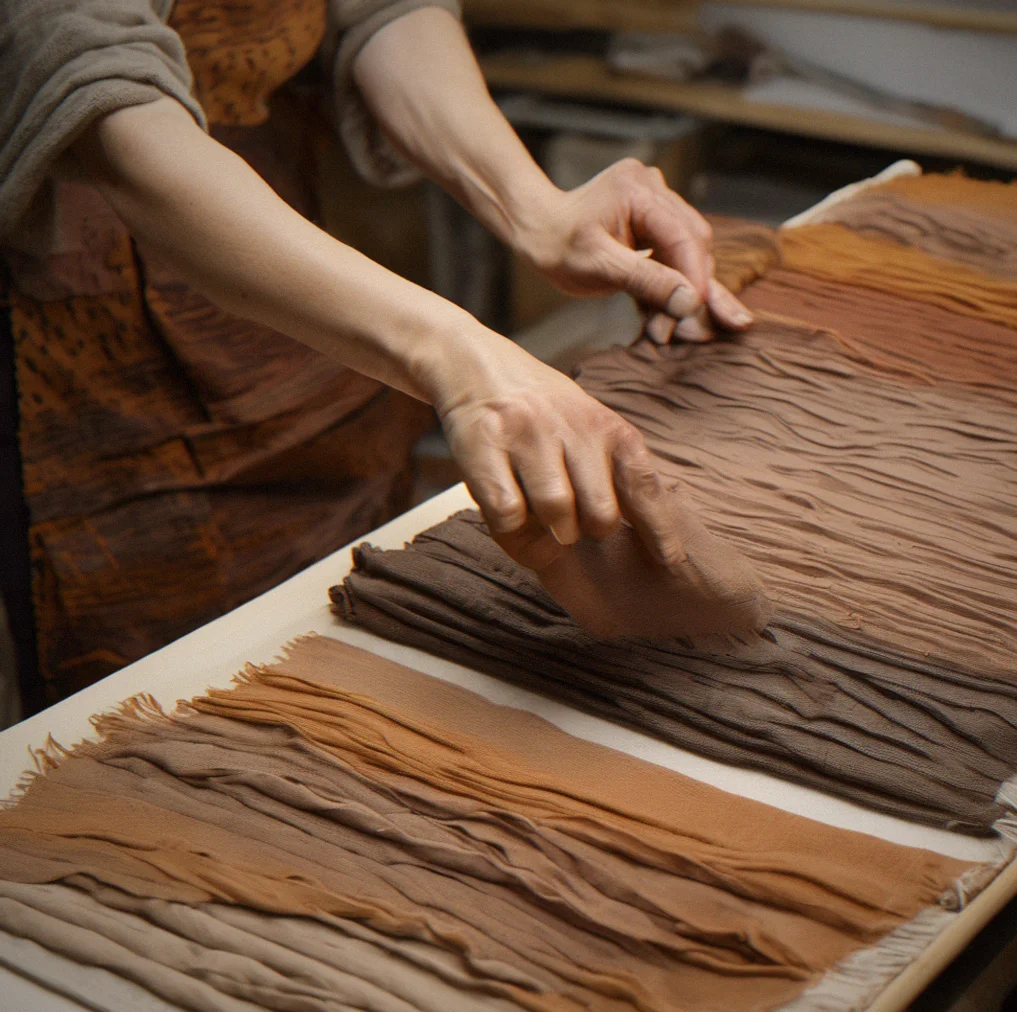
CraftVista cuts out the middle. No distributor. No secret markup. You see work made with natural indigo, vegetable-tanned leather, hand-pulled screens, wood-fired clay—techniques that require skill and patience and understanding your material. Makers host studio visits. Workshops happen throughout the year. You can ask why someone chose stoneware over porcelain, why hand-binding matters more than speed. These aren't products. They're choices.
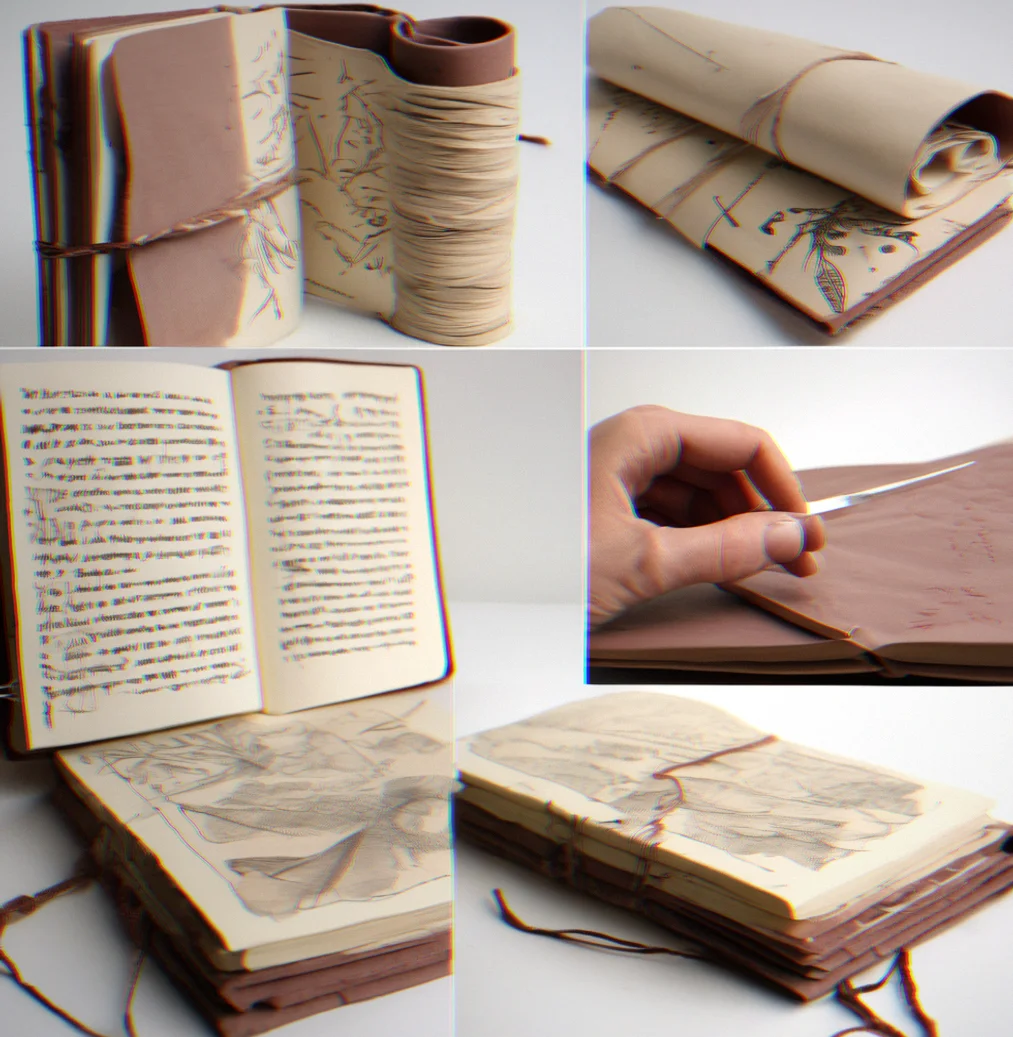
Most platforms take 30%. CraftVista takes 8%. That extra 22 points go straight to you. A potter keeps more from each mug. A weaver can buy better linen. A printmaker stops using cheap inks. You also get honest pricing. No algorithm marking things up. No middleman margins between you and the person who actually made it.
What really matters though is you can talk to the maker directly. Message them about clay, firing temps, how long it takes. Some do custom work. Some run workshops—you can watch them work, use their tools, see the actual studio. But the main thing is this isn't shopping. You're helping someone who chose craft over profit because they care about what they make.
Eight tjings worth knowing before you buy anything.
Direct contact with whoever made it. You can message them about their process, clay choices, ink sourcing. Most respond within a day.
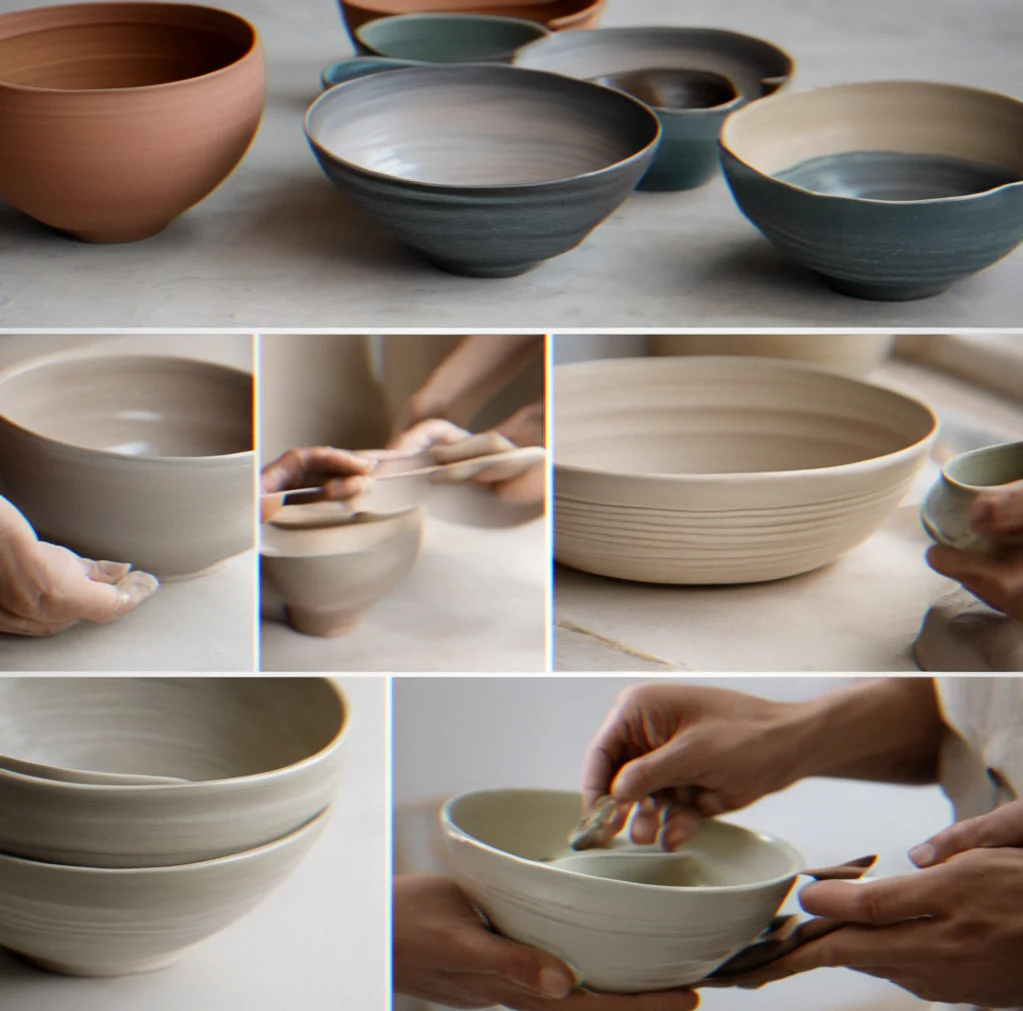
Most items come in batches of 8 to 40 pieces. When they sell out, that's it. You're not buying from endless inventory. Someone just made this.
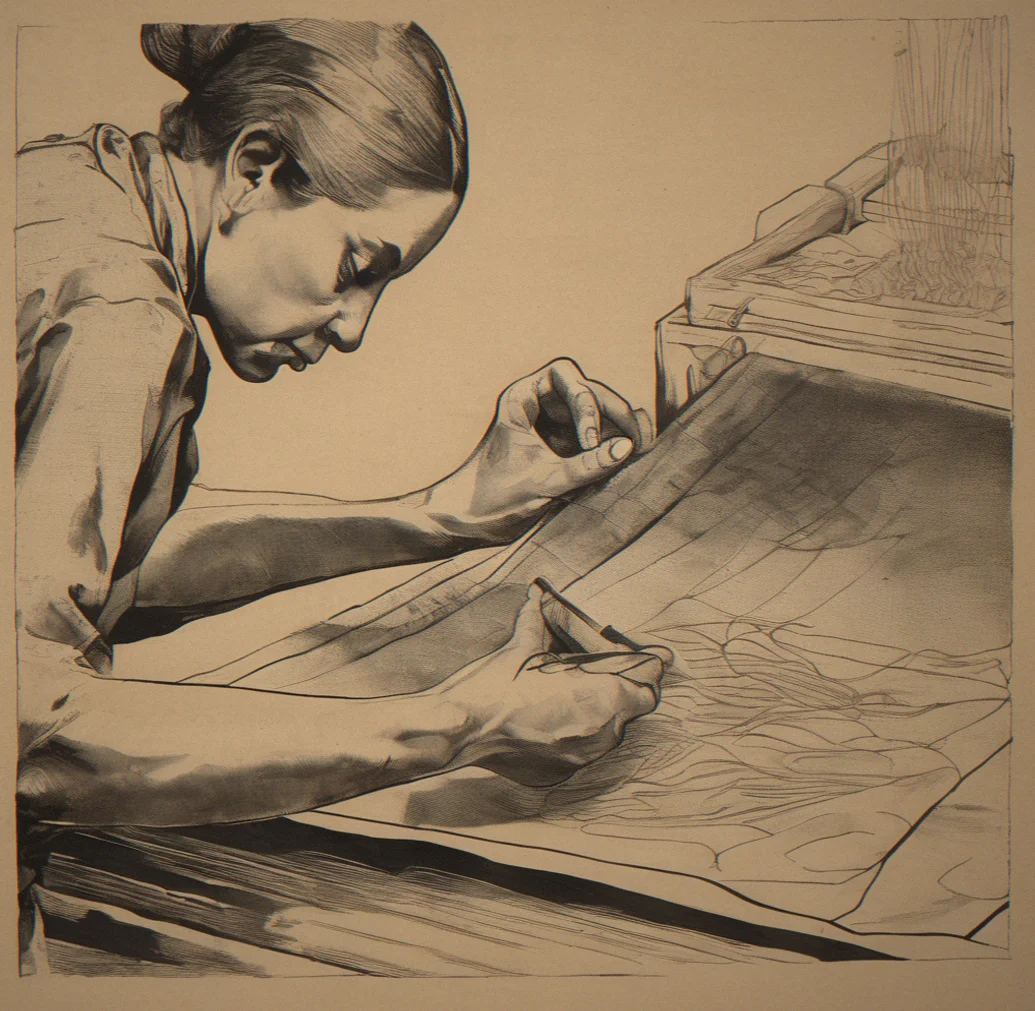
Eight percent commission instead of thirty. That difference goes to the maker. Lower fees mean prices reflect real materials and labor, not platform markup.
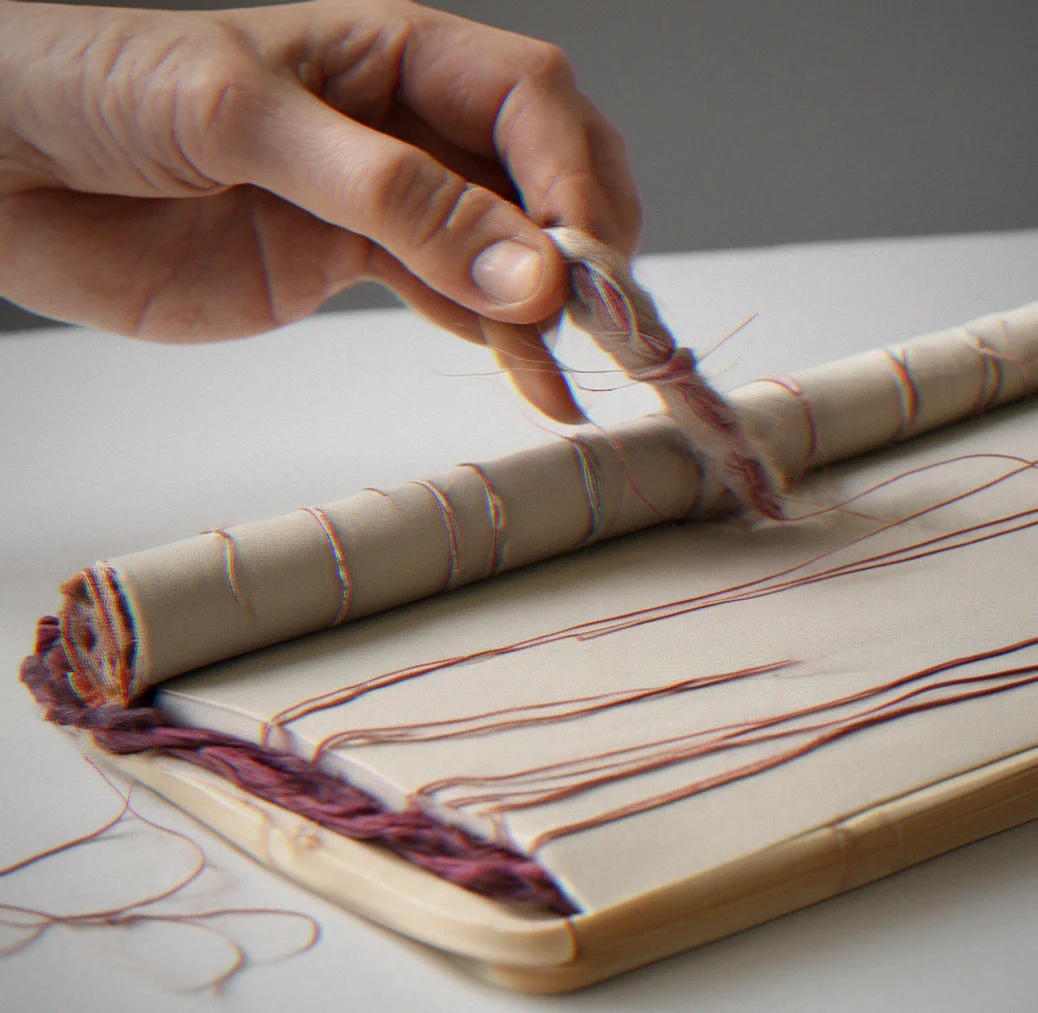
Hand-woven edges are wonky. Letterpress prints show ink shifts. Wood-fired ceramics carry ash marks. These aren't flaws. They're proof something real happened.
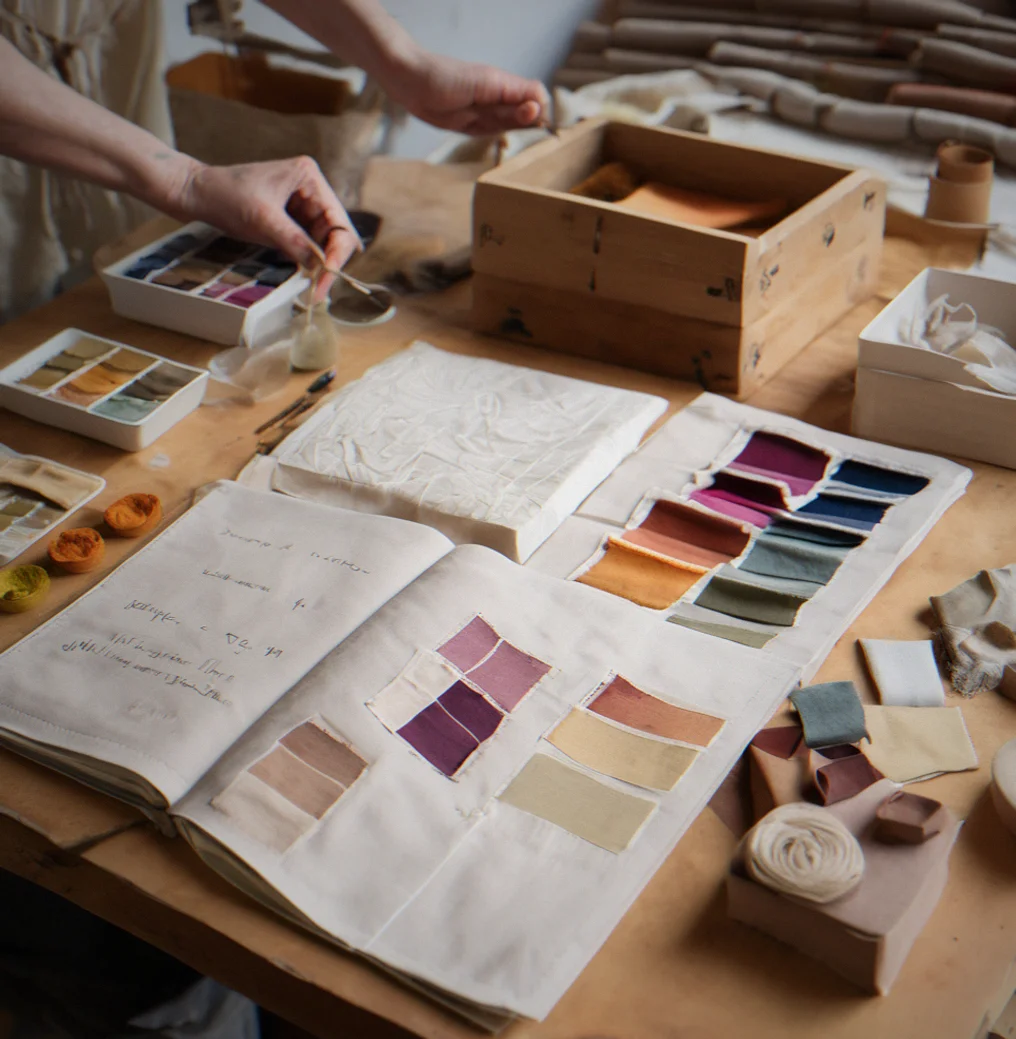
Most makers do custom work. Need a specific color for hand-dyed linen? Different dimensions on leather binding? A glaze change? Just ask. Usually takes a week or two.
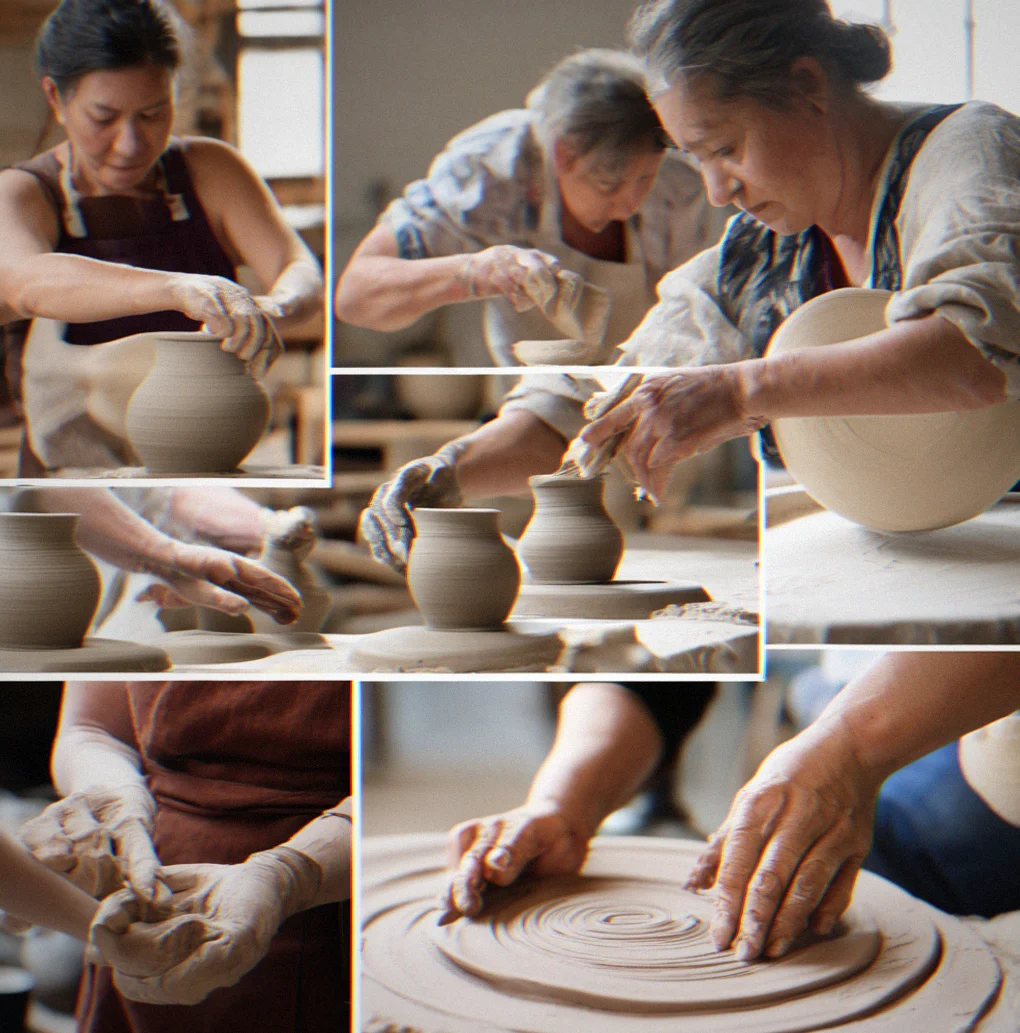
Monthly open studio dates. Visit, ask questions, throw a pot, learn bookbinding, watch letterpress work happen. That's where community actually forms.
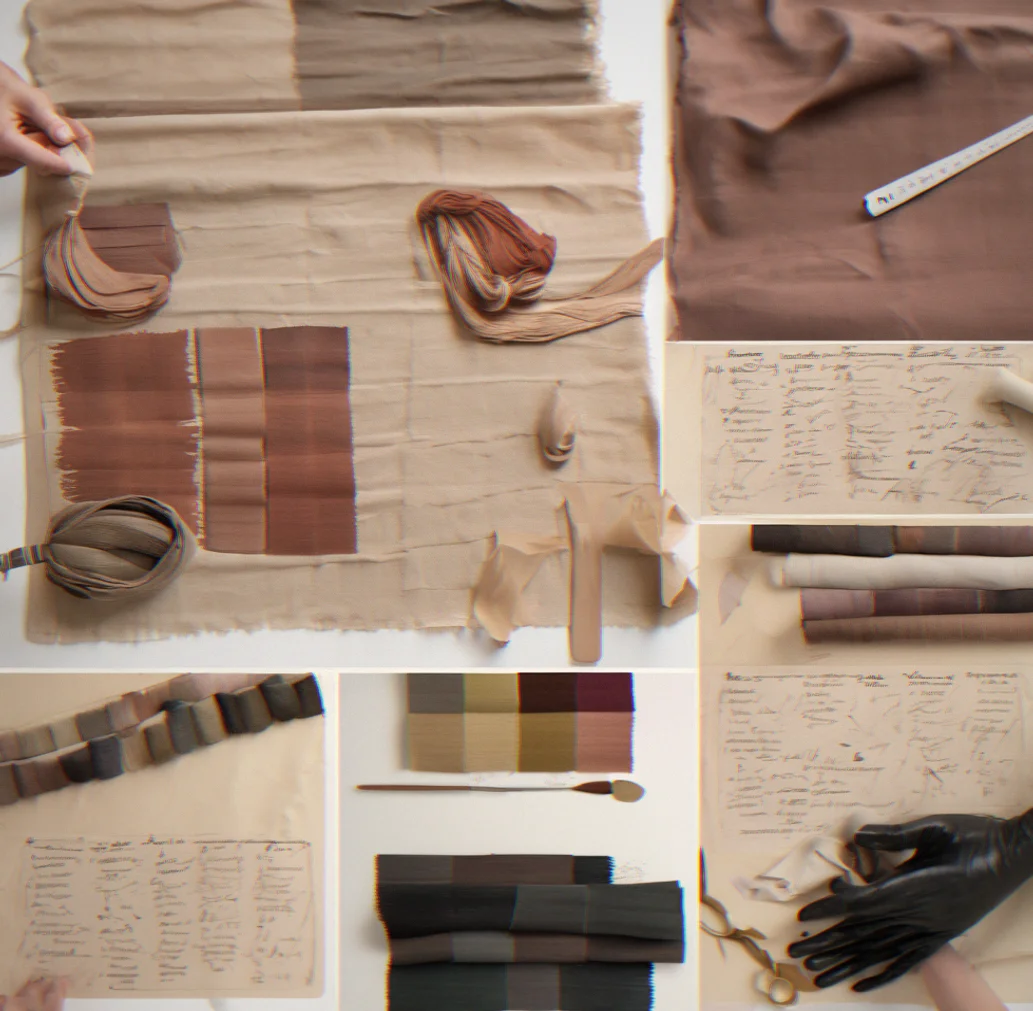
Potters debate stoneware versus porcelain. Dyers talk about indigo vat temperatures. Printers explain cotton, linen, rice paper. These conversations determine what gets made.
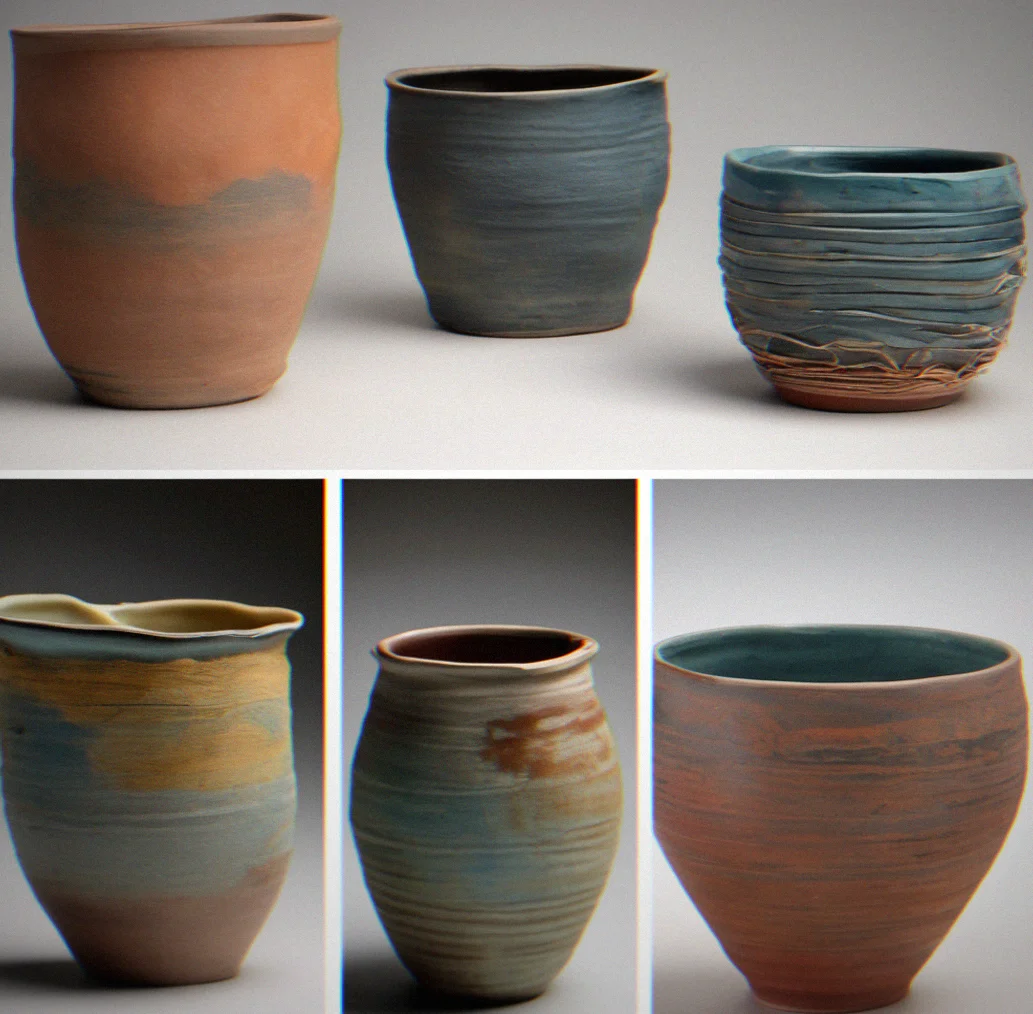
Hand-bound journals last for years. Naturally dyed textiles deepen over time. Hand-thrown ceramics get better with use. These pieces carry their story forward. That's the point.
Most people making work here keep their production small. That means every piece is a little different—you're seeing the actual hand that shaped it, not something stamped out identically over and over. Once a batch sells out, it's done. There's no reprinting.
Want to know about the clay, what dye lot they used, the weight of the paper, where they sourced their ink? Ask them directly. They're the ones reading your messages, not a customer service team. Custom orders happen all the time. And when someone tells you a lead time, it's honest.
Makers keep significantly more from what they sell. Nothing's hidden in margins that inflate the price for no reason. A hand-thrown bowl costs what it costs because of the hours, the materials, the skill involved—not because an algorithm decided to mark it up. What you pay actually reflects what went into making it.
Open studio days, hand-throwing classes, letterpress sessions where you can proof your own work, natural dyeing workshops—these happen regularly. You get to see a loom in action, touch different clay bodies, understand why someone picked stoneware instead of porcelain. The community grows when people show up in person.
Hand-weaving, wood firing, natural indigo, letterpress, shibori—these aren't shortcuts or gimmicks. They're deliberate choices. The color shifts, the slight irregularities, the marks from the process—those aren't mistakes. They're proof that someone actually used traditional methods and real materials to make something.
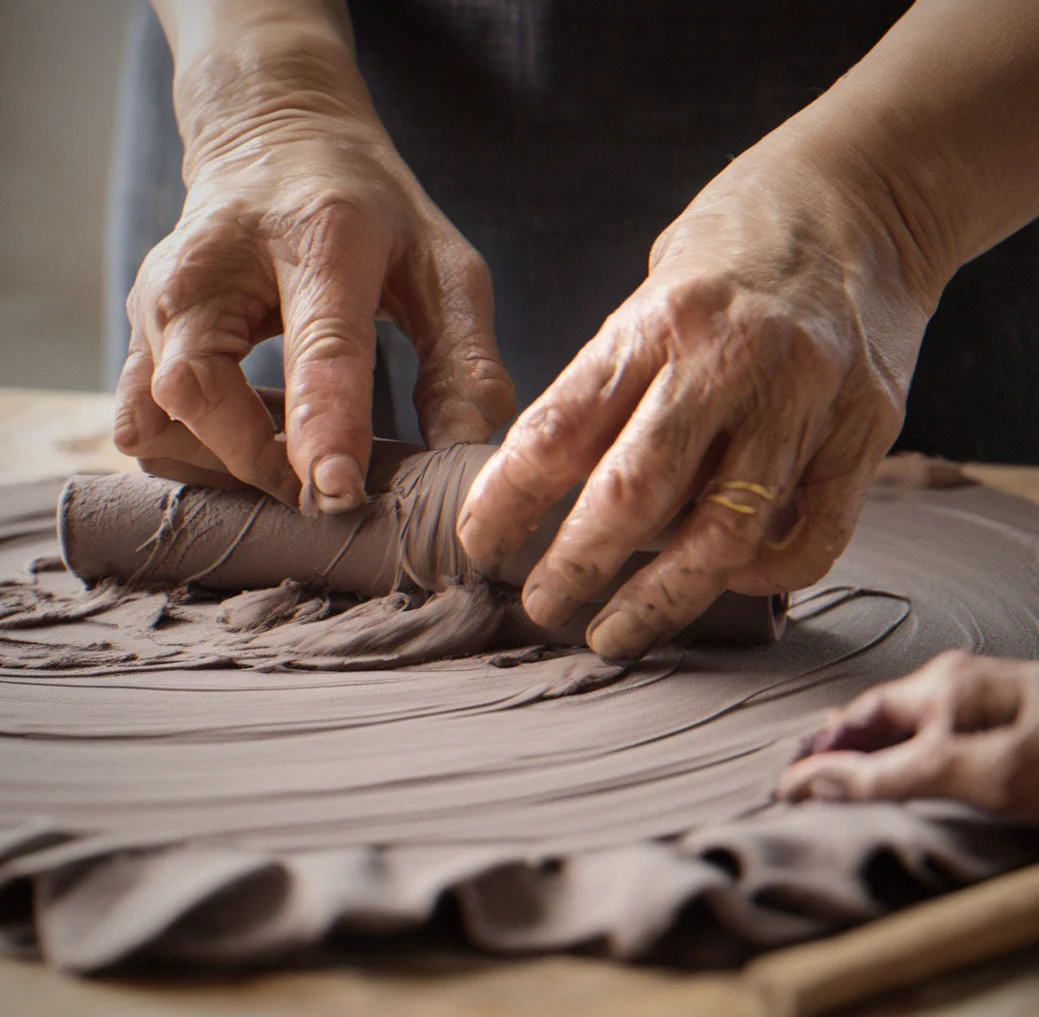
Hands trimming clay on a pottery wheel, dust catching the light in the workshop
Linen coming out of an indigo vat, deep blue after it hits the air
Pulling a fresh sheet of cotton paper off the letterpress, ink still wet
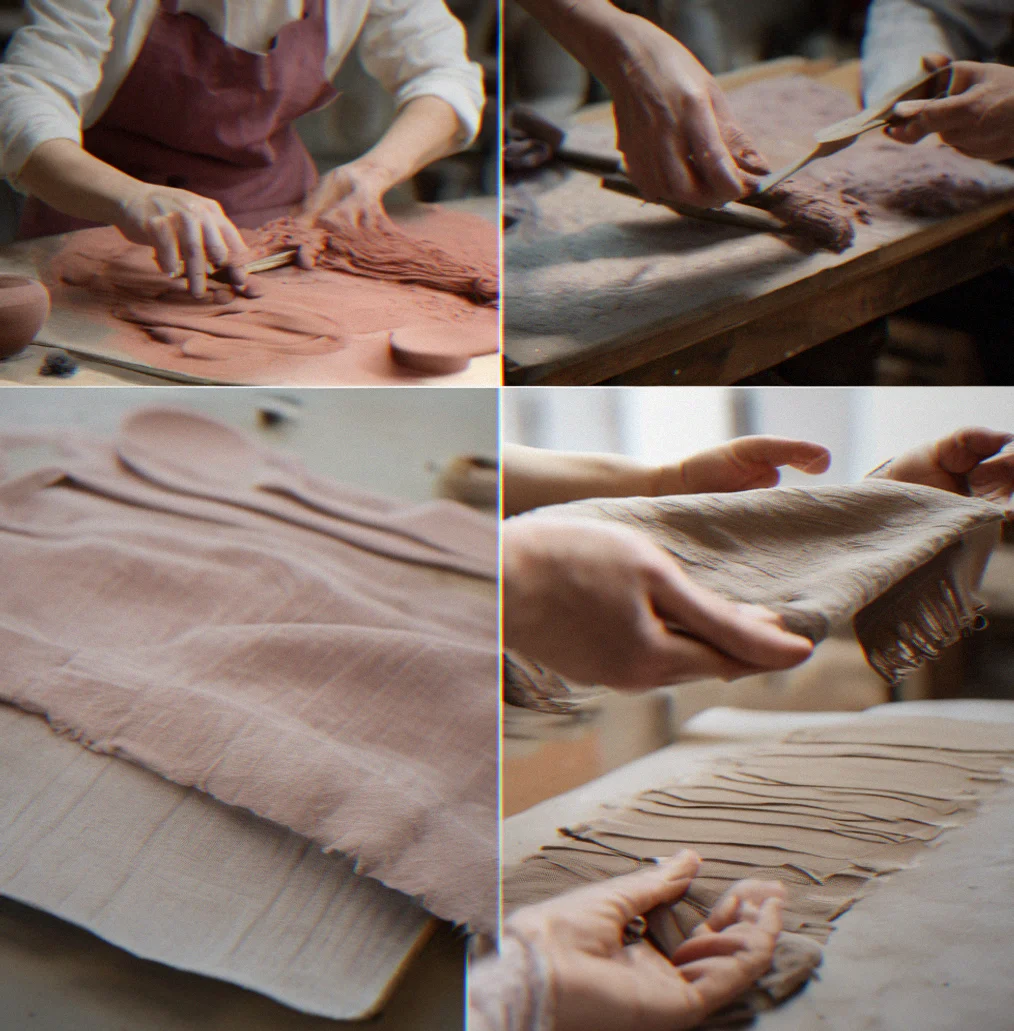
Threading linen through the warp on a floor loom, halfway through the piece
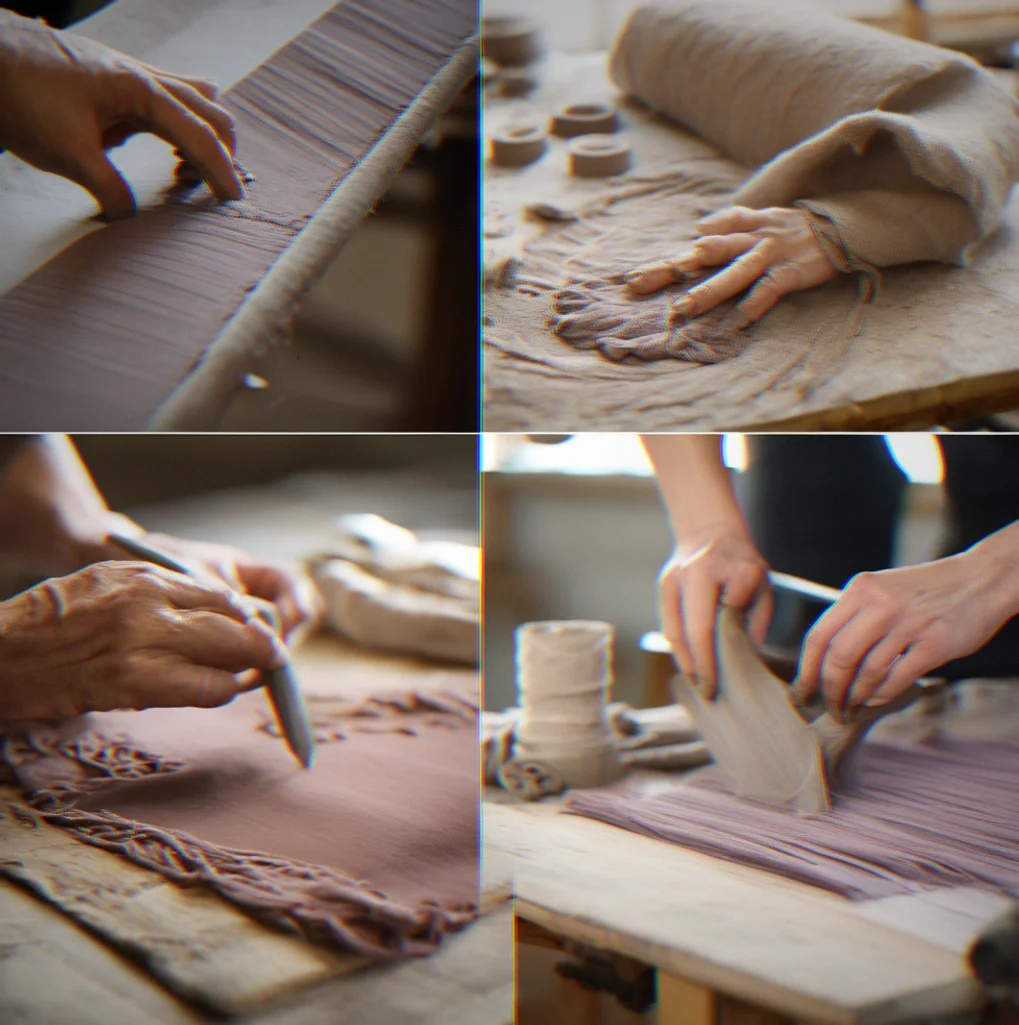
A journal being stitched by hand, spine coming together with thread visible, finished pages stacked next to it
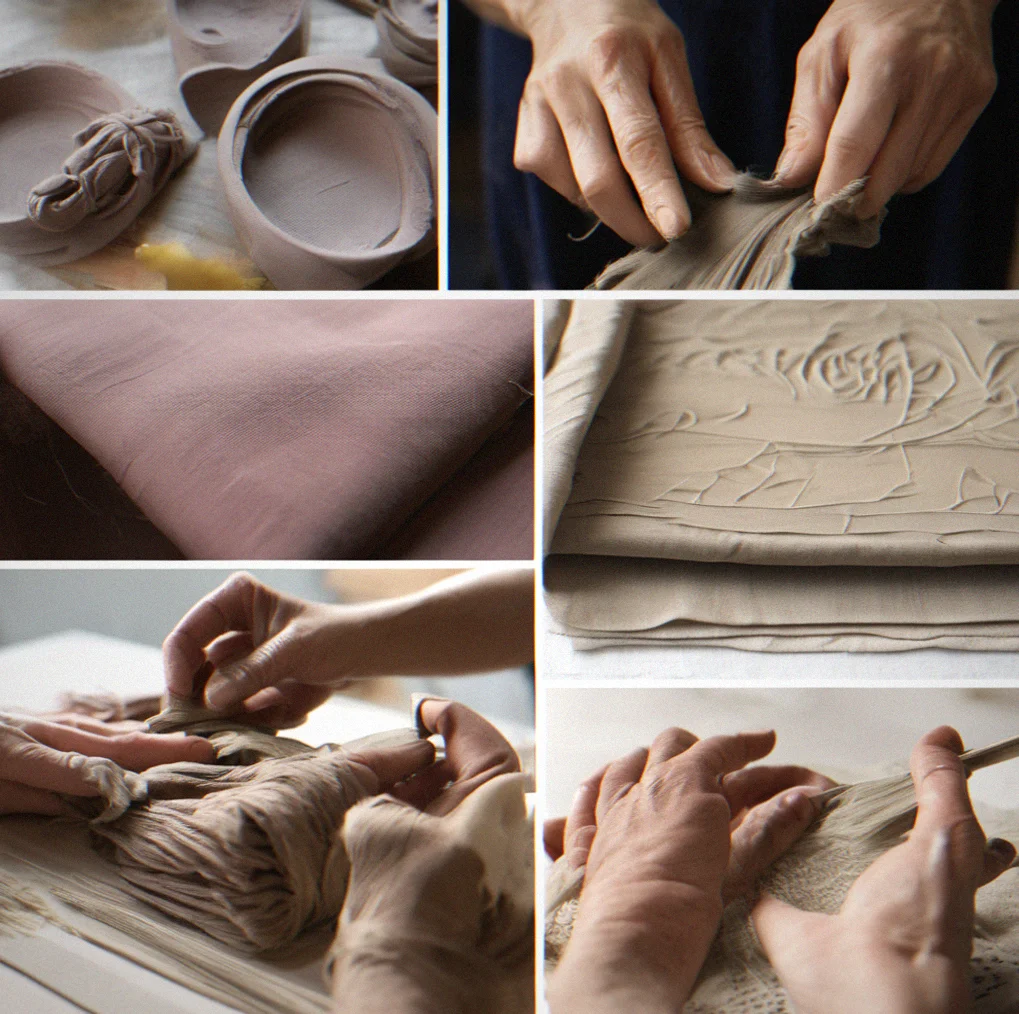
Ceramics cooling on a shelf after wood-firing, each one marked differently by ash and flame
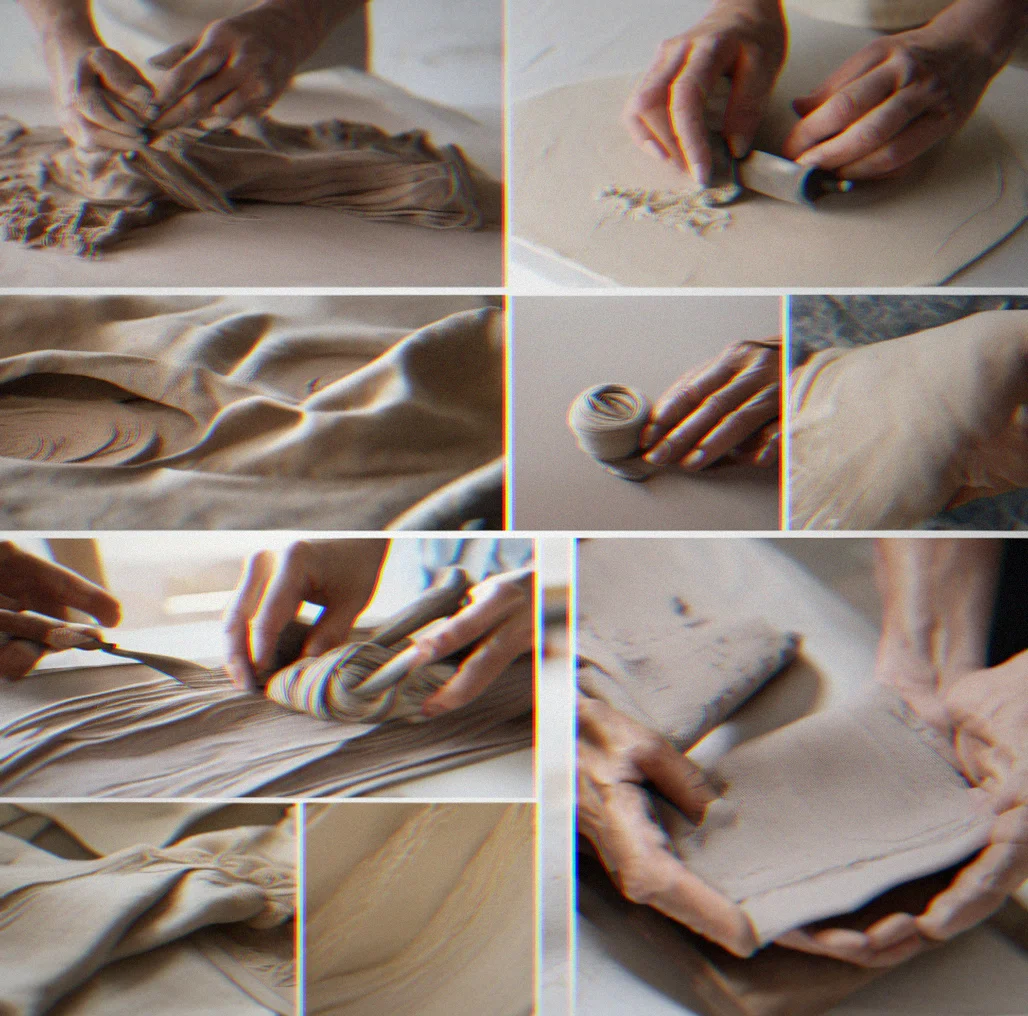
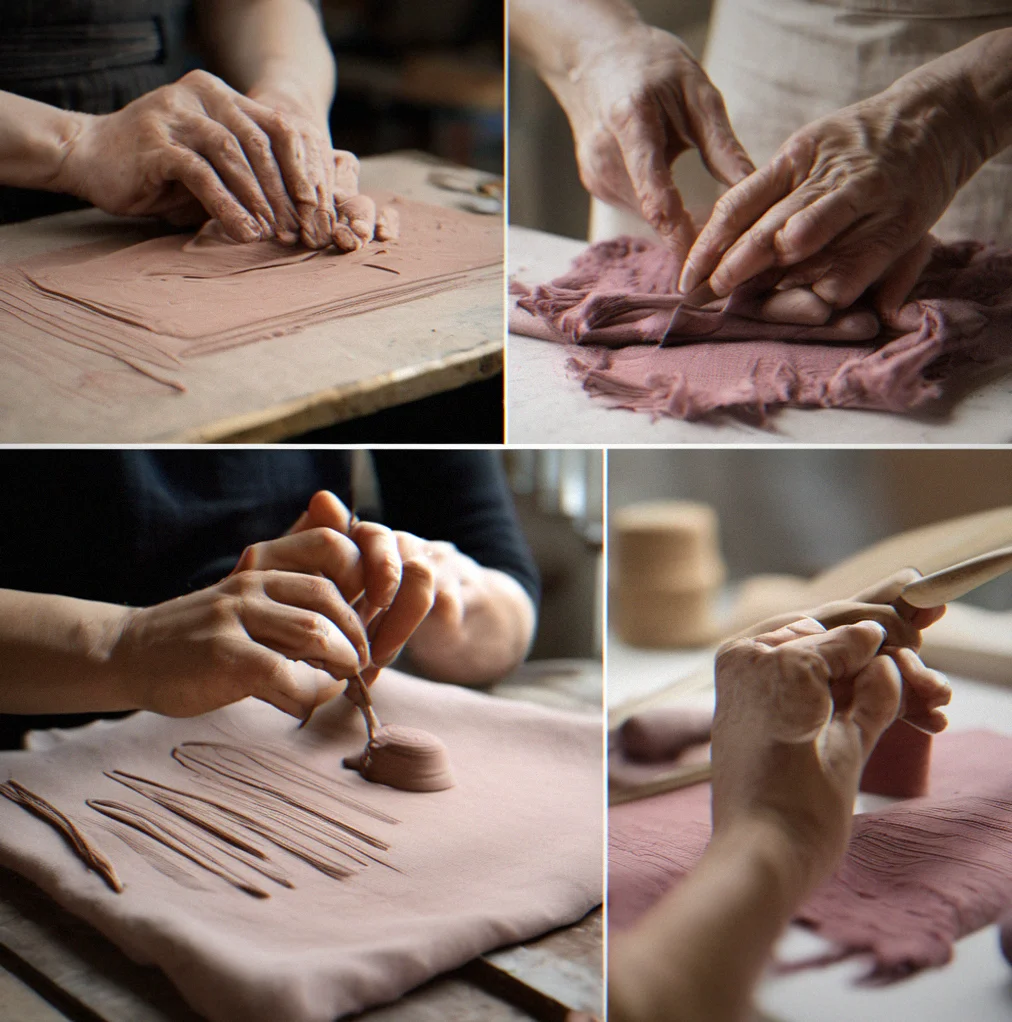
What does it actually look like when you make things slowly? These are real pieces from CraftVista makers—the clay, the ink, the fiber. Everything you see is a choice someone made.
What's really happening in a studio when someone's making things on purpose? These photos capture the real process—clay, dye, ink, fiber. All the decisions. All the hours.
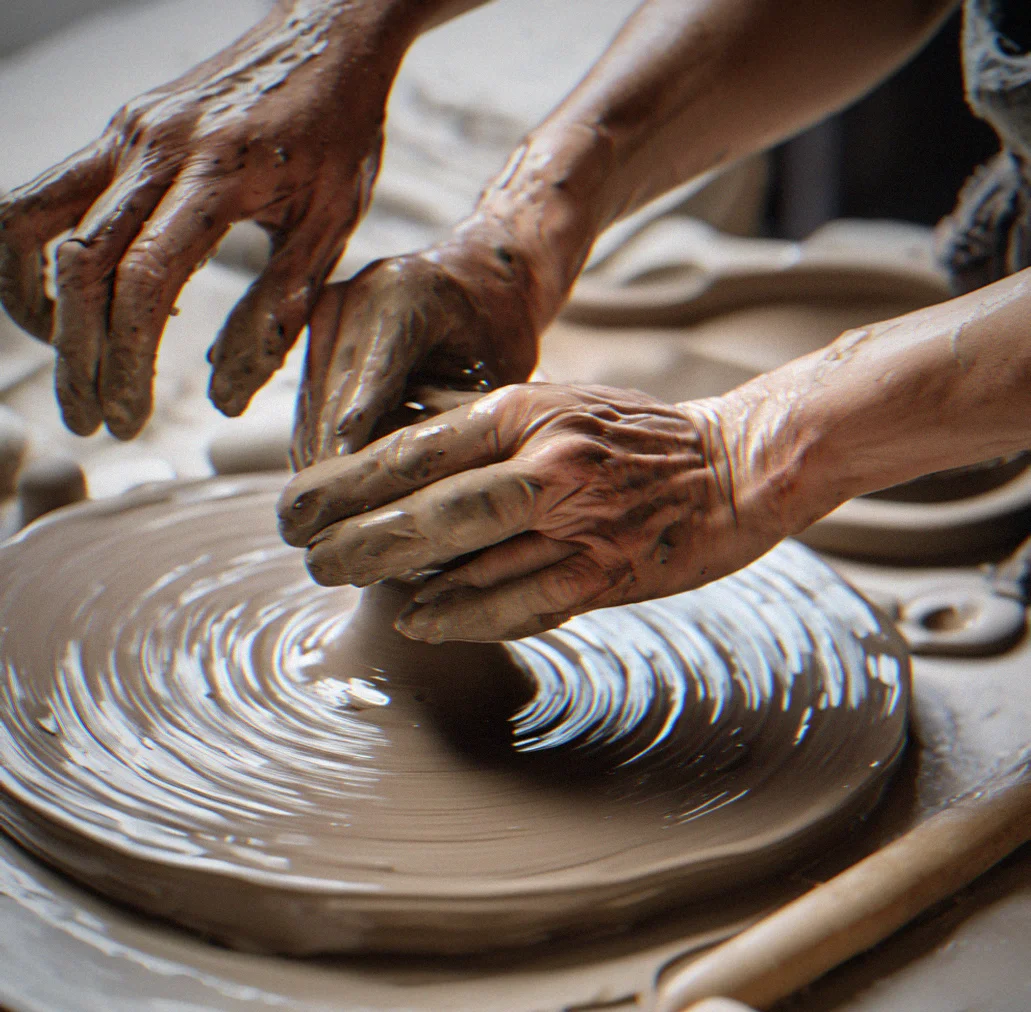
A ceramic artist's hands working wet stoneware on the wheel, water dripping off the spinning clay
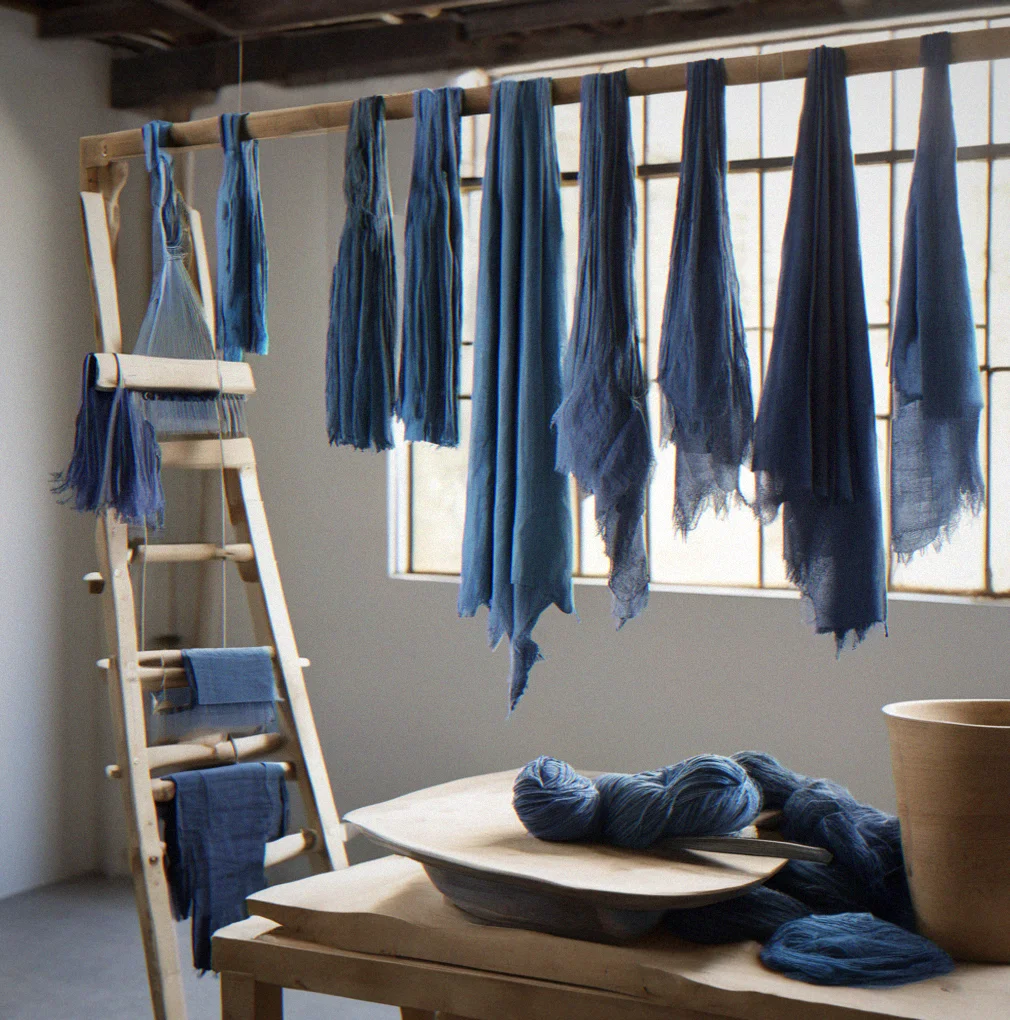
Indigo-dyed linen in different shades of blue hanging on a studio rack, the color variations showing how many times it's been dipped
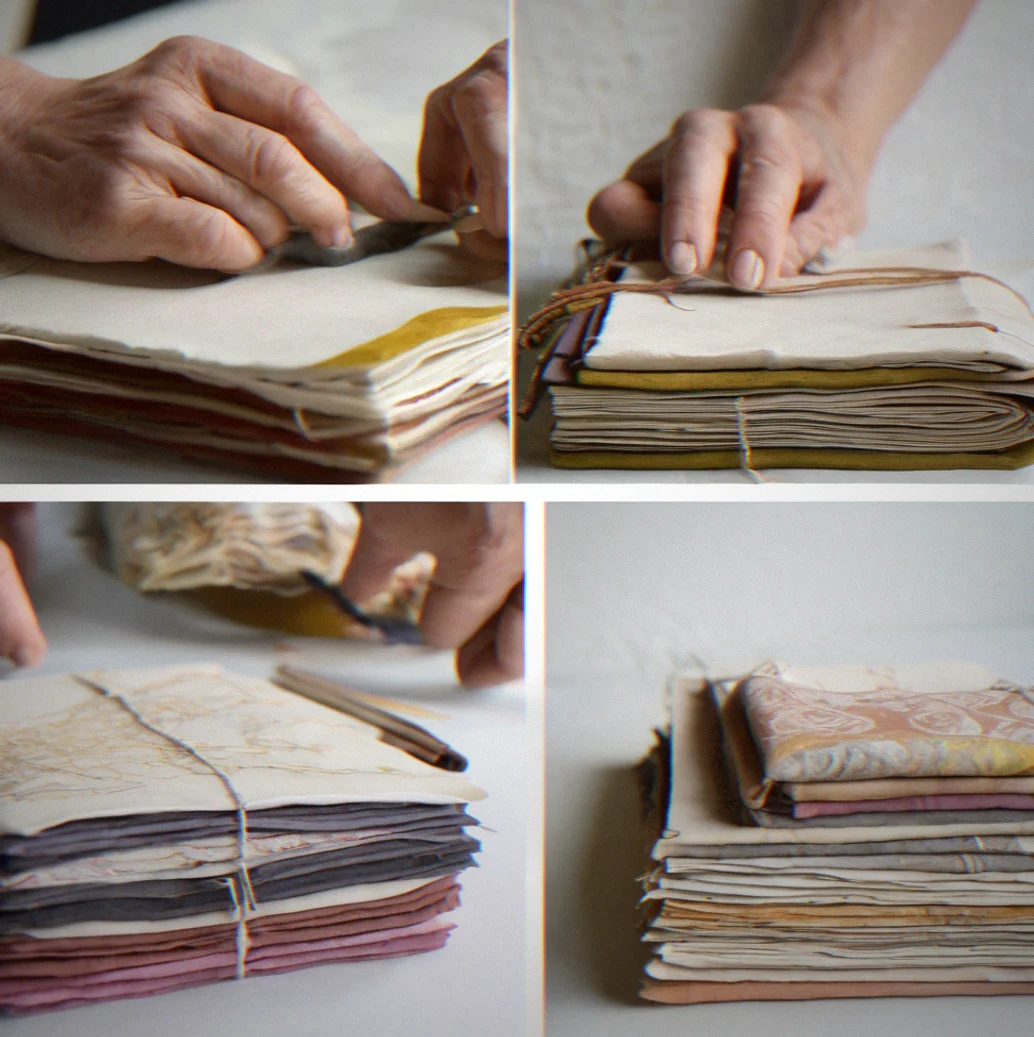
Hand-bound journals stacked together, stitching visible on the spines and the handmade paper edges rough and uneven
The stuff people actualyl worry about when buying handmade. How working with Makers works. What CraftVista does behind the scenes.
Someone made it by hand. A mug takes 20 to 30 minutes on the wheel alone, then it dries, fires, gets glazed, cools down. All before it leaves the studio. A letterpress print means pulling one sheet at a time. Journals get stitched by hand. You're not paying a markup. This is what the time actually costs. Mass production divides its costs across thousands of identical pieces. When you're making a small batch, there's no shortcut.
Yeah. Send them a message right through the site. Most reply within a day. Ask about the clay, the dyes, the paper, custom variations, whatever you need to know. They're reading it themselves.
Hand-dyed textiles shift. Wood-fired ceramics aren't identical. Natural processes create variation, and that's on purpose. But if something shows up damaged or nothing like the description, reach out to the maker. Most have return or swap policies built in. Check the maker's specific terms before you order. Most windows for returns are around two weeks.
Varies by maker. Most ship within a couple weeks of the order. Custom pieces take longer, usually three to four weeks. Each listing shows how long you should expect to wait. International takes additional time. Ceramics and fragile stuff go through tracked carriers, and that affects the cost.
Hand-thrown ceramics get better with use. Naturally dyed textiles deepen as you wash them and light hits them over time. Hand-bound journals loosen a little eventually — lots of people like them better that way. Letterpress prints fade gradually in direct sun, like all paper does. Nothing here is built to be thrown out. Built to show what it's been through. That's the whole idea.